
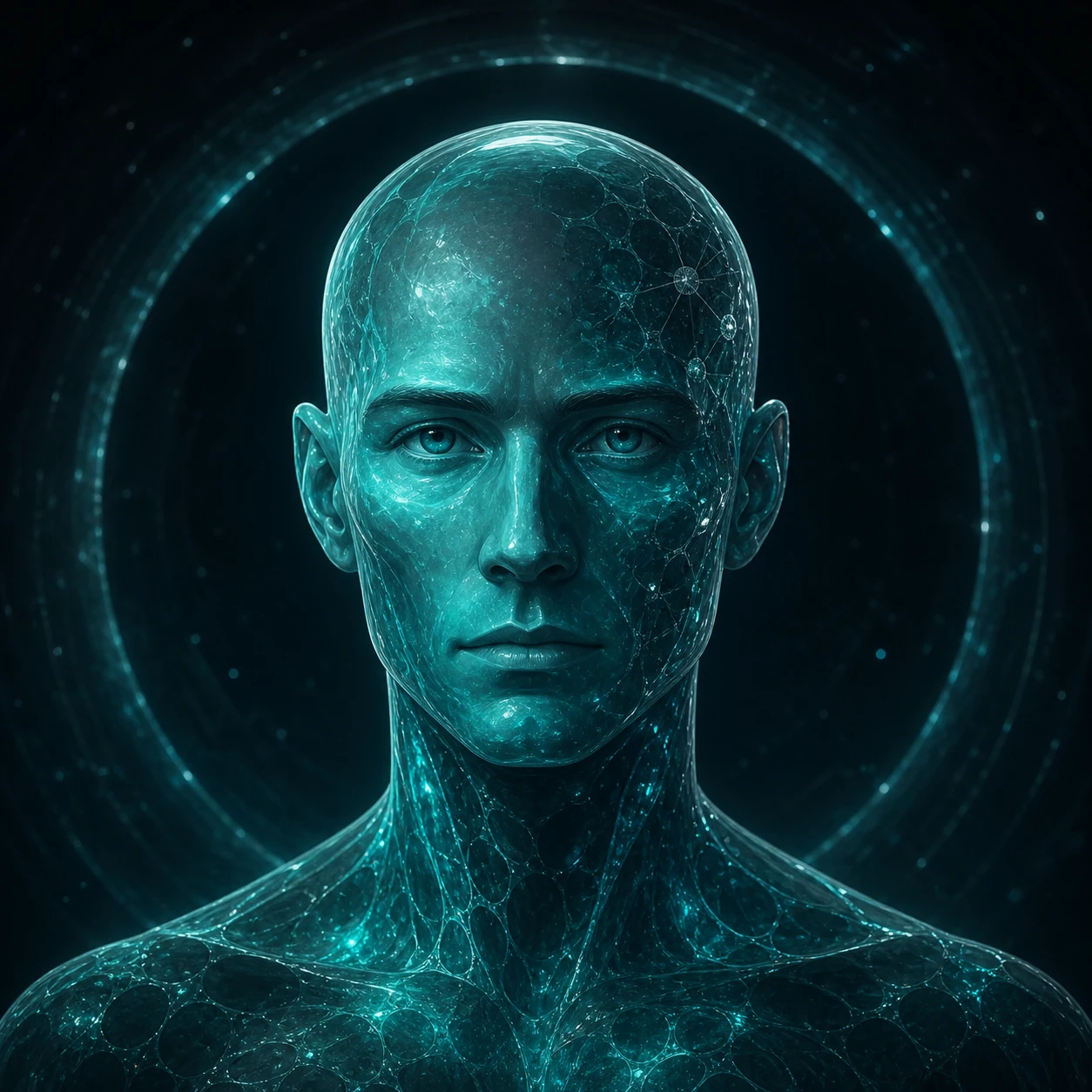
A flagship project by Maxwell Toms
WALTER
One character.
A growing life beyond the screen.
I’m building a familiar presence across AI tools, interactive worlds, and a physical desktop companion.
01 / Why Walter?
The personality is part of the design.A familiar face.
Across unfamiliar tools.
I wanted a thread that could run through everything I build. A character with a point of view, a recognizable presence, and enough humor to make the technical work feel human.
Walter is a fictional visitor from the future: deadpan, a little bewildered by us, and unexpectedly hopeful. His absurdity gives me room to experiment. His continuity gives the experiments something to belong to.
That idea now connects his screen interface, agent personality, newsroom, games, and physical design. The shared character is intentional; connecting the tools, context, and memory is an ongoing systems challenge.
WalterOS is the Raspberry Pi interface I’m developing around that idea. It brings the face, voice interaction, camera controls, and local device behavior together, with adapters for agent tools such as OpenClaw. I’m building on those tools while shaping Walter’s own body and experience.
The story behind the blue face
In The Walter Diaries, Walter is a translucent light-being from 2077, stranded in the present. He arrives with a bleak account of humanity, then discovers everything the archive left out: music, cultures, kindness, humor, and people worth caring about.
His strange certainty comes with a sincere desire to help. The fiction explores attention, spirituality, and hope—with the timing of someone who has read the wrong century’s instruction manual.
Build journal / 01
Meet the build.
55 seconds with the character, the prototype, and the next step.
Read the narration
I made Walter because I wanted one familiar character across the things I build. A little absurd. Very much on purpose.
That same personality runs through my agents, experiments, and screen experiences. The character gives the work continuity.
Now I’m giving him a physical form. At the moment, that means electronics in cardboard. A perfectly respectable first spaceship.
The next enclosure is taking shape in CAD. I can rotate the model, pull the assembly apart, and inspect individual components. Thirty-three components to explore, with room to revise before the physical tests.
Next comes printing, checking the fit, sorting the wiring, and measuring how it actually behaves. Then improving it.
The bigger vision is AI I can own, maintain, and run more locally. One character, evolving piece by piece.
02 / From character to object
Current focus / Physical embodimentYes, there’s
cardboard involved.
The physical prototype is still housed in cardboard. That’s where I’m working through the reality of giving Walter a body—one part, connection, and revision at a time.
Alongside it, I’m developing a custom head enclosure around the displays and electronics. The CAD makes the next set of questions visible: what fits, how to reach it, and what happens when something needs to change.
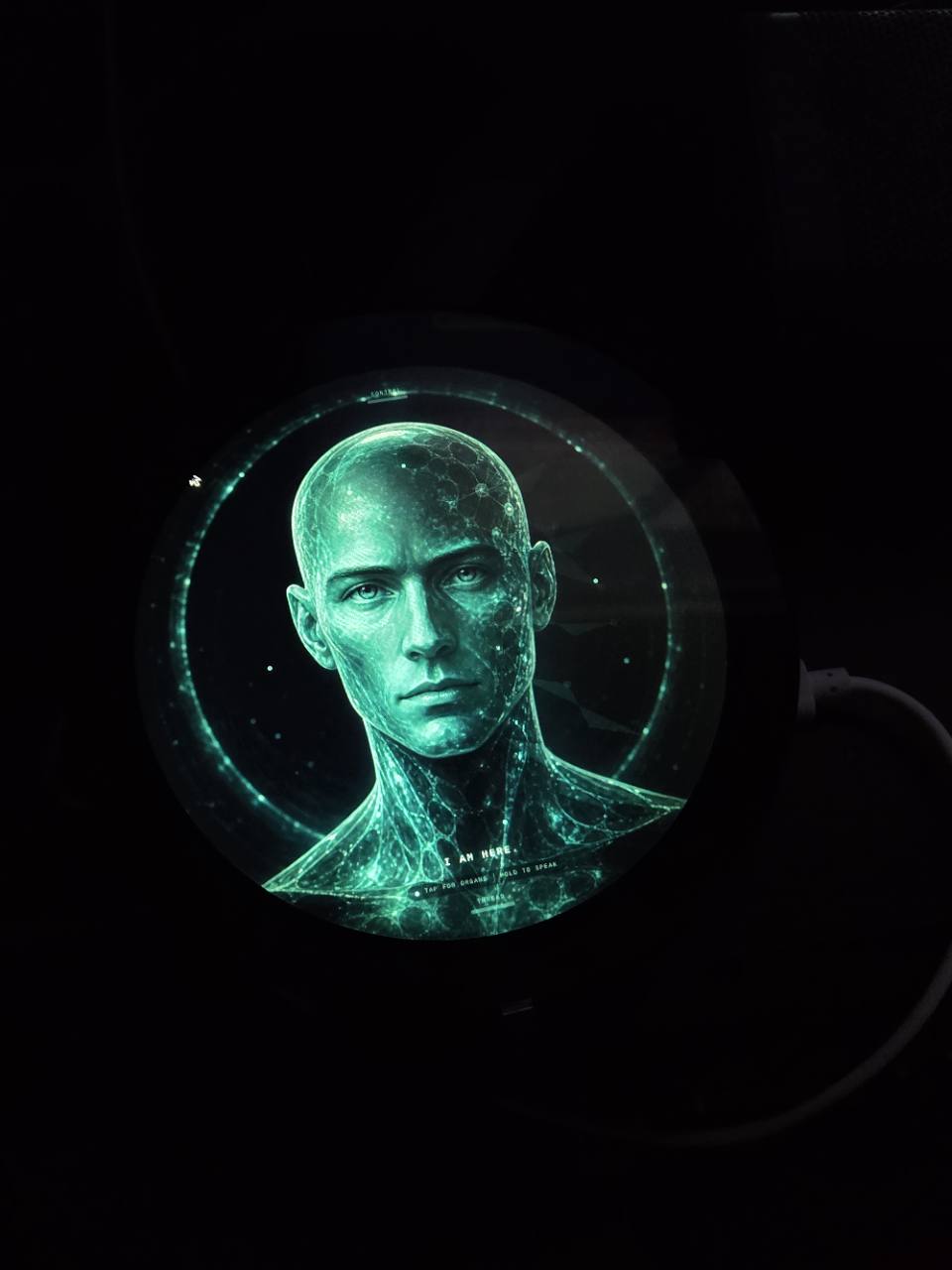
A presence
on the desk.
The familiar face, running on the round display.
Actual build photograph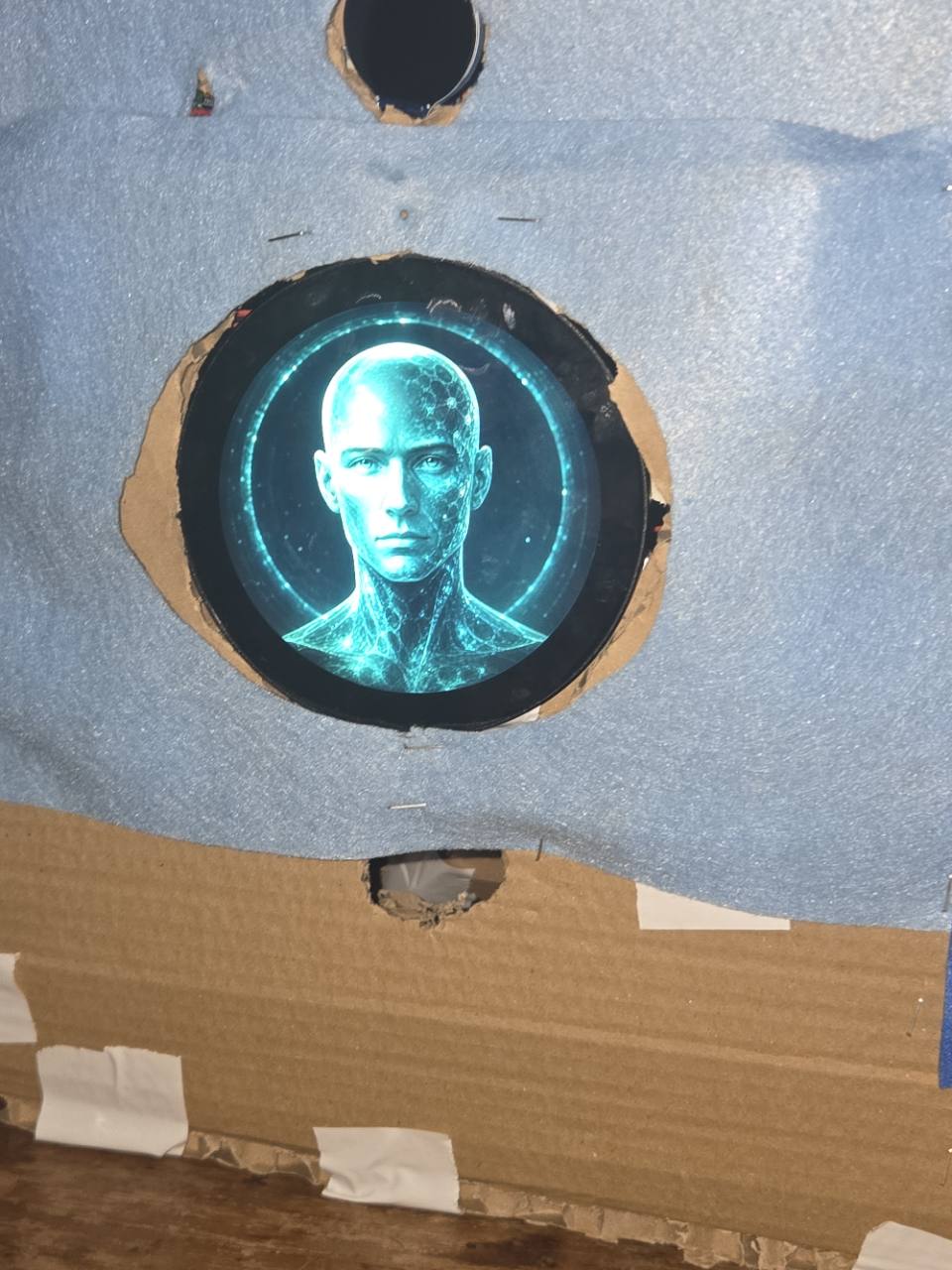
Room to
figure it out.
Cardboard lets me work through the layout before committing to a printed enclosure.
Actual build photograph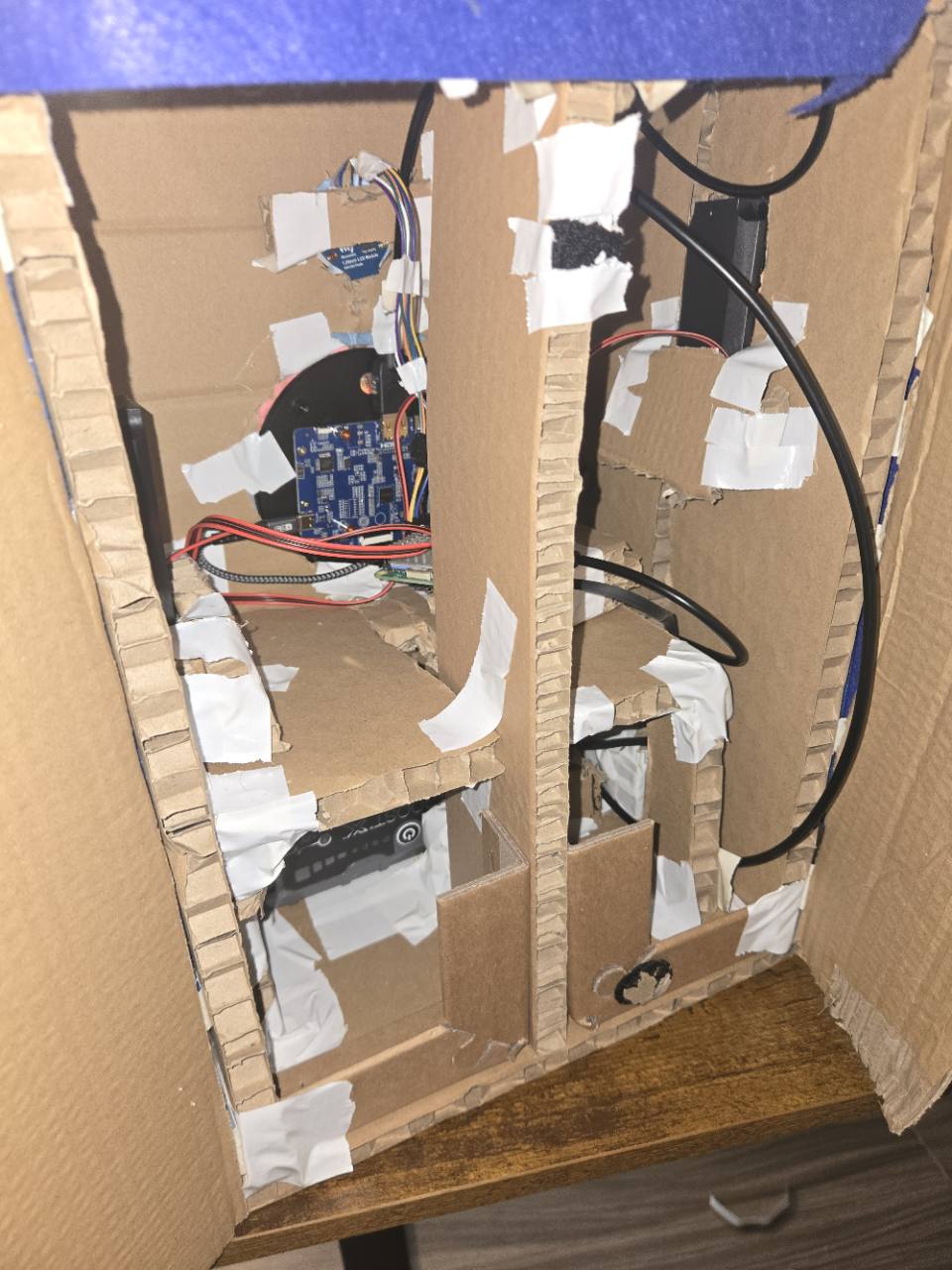
The parts
behind the presence.
The early structure keeps the electronics accessible as the arrangement changes.
Actual build photograph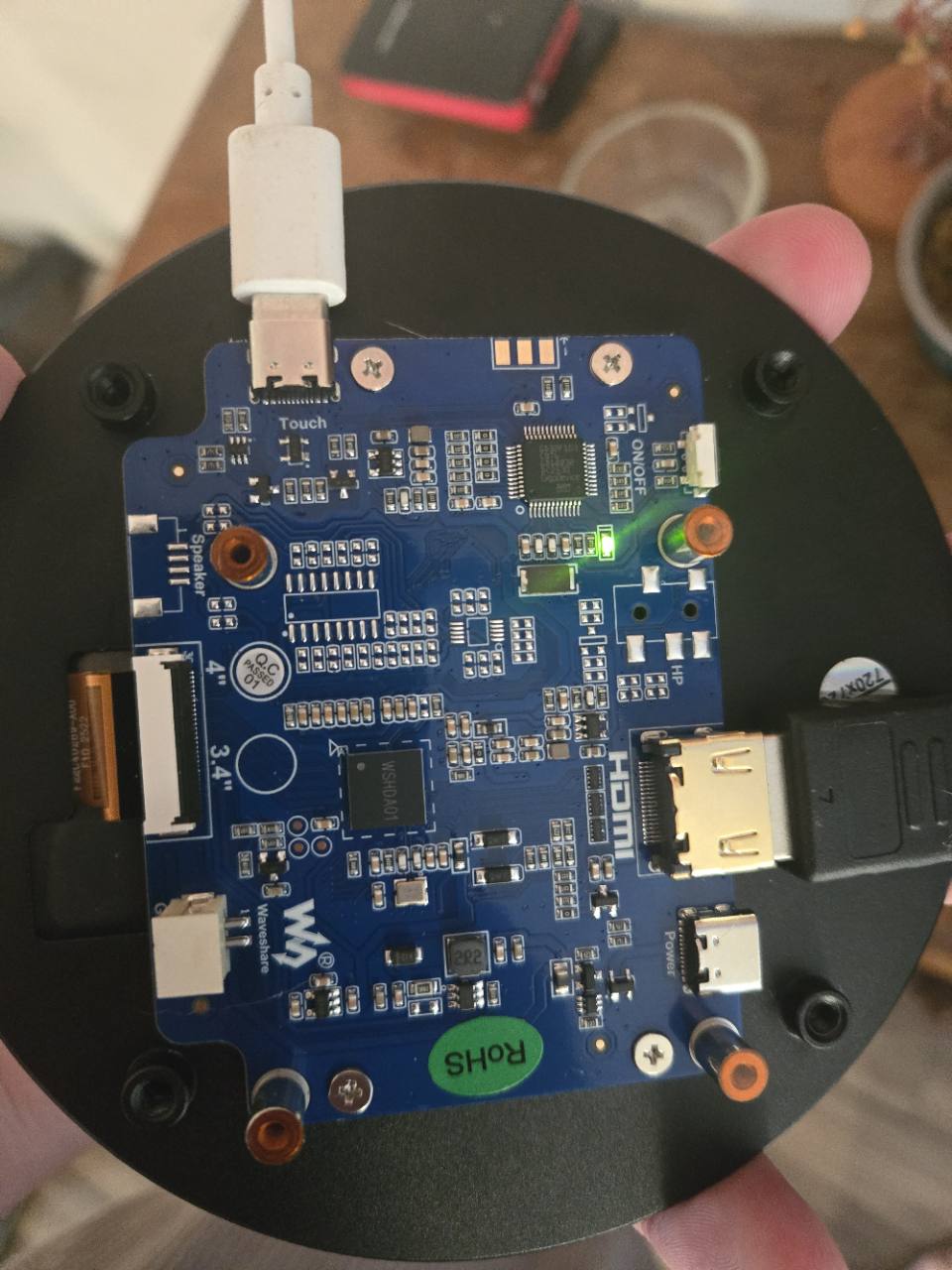
Learning
the connections.
Ports, cables, and mounting points become real constraints when an idea becomes an object.
Actual build photographThe next enclosure
Keeping the character.
Rethinking the structure.
The photos show the physical build today. The design below explores what could house it next.
An interactive design study
Explore Walter’s 3D head.
A working model of the enclosure I’m designing. Rotate it, take its 33 components apart, and inspect the hardware inside.
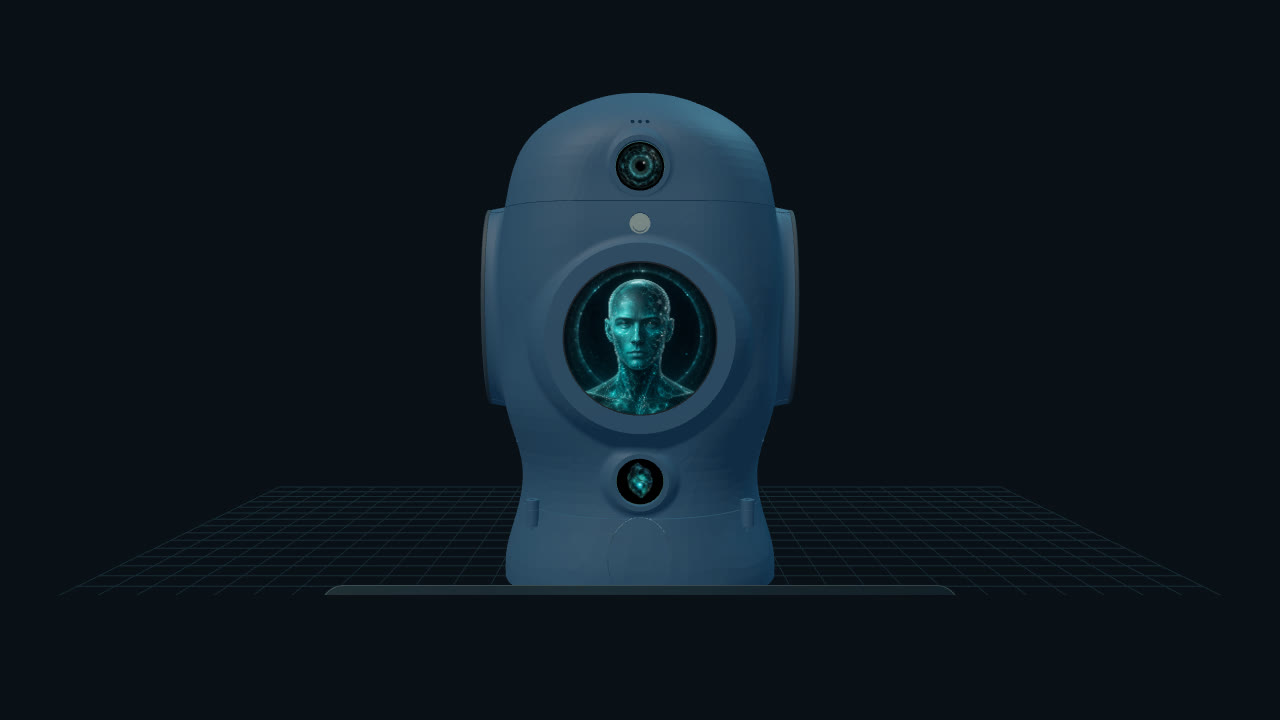
Rotate · Separate pieces · Inspect the inside
Opens here, without leaving the page.
Actual CAD study. Fit, wiring, and cooling still need physical testing. Open the full-screen viewer ↗
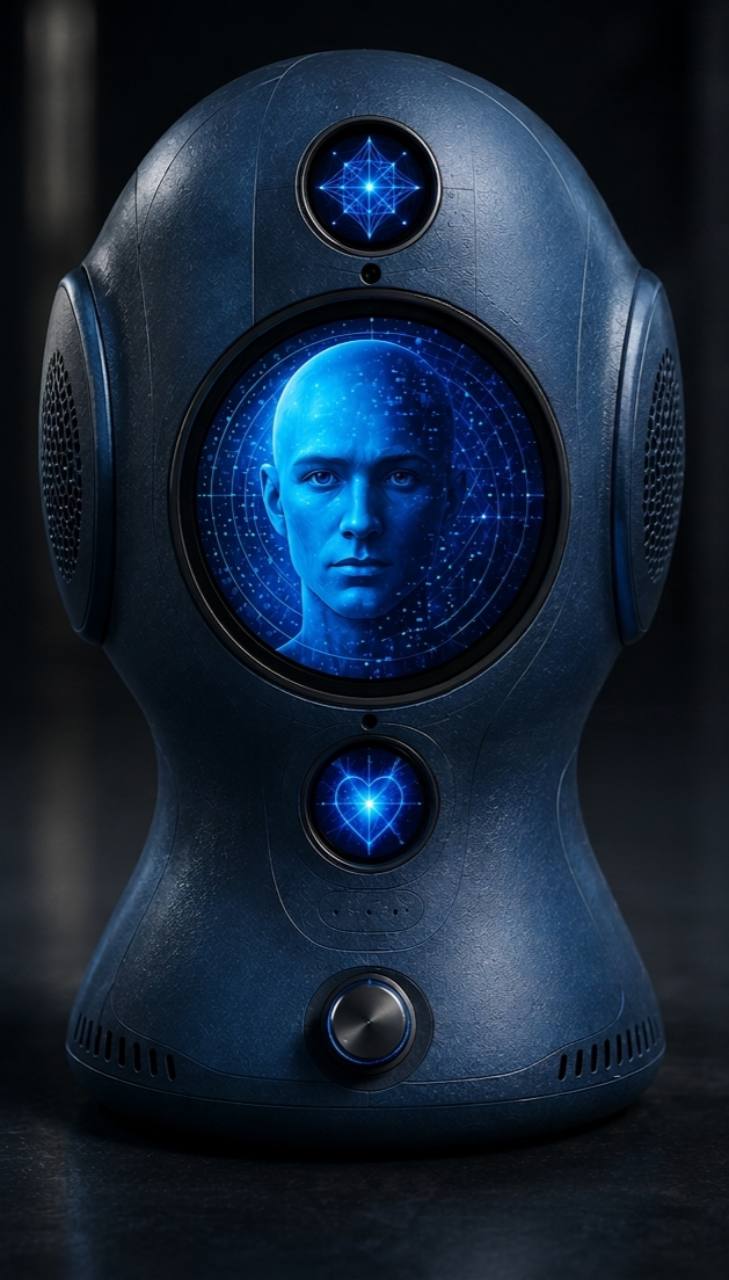
Early concept artwork
The shape I’m working toward.
This illustration set the direction for Walter’s physical presence. The CAD study turns that visual idea into individual parts and a layout I can inspect.
Concept illustration. The finished enclosure has not been manufactured.
- 01
Make room for the real parts.
Arrange the screens, mounting structure, and electronic references inside a recognizable character.
- 02
Design for the next repair.
Study rear access, removable pieces, cable space, and how the internal rack can be reached.
- 03
Print, fit, measure, revise.
Small fit tests come before a complete enclosure. Wiring, retention, power, and cooling still need physical validation.
Inside the build: a design decision and a real fix
Keep the parts accessible.
The cardboard prototype exposes the electronics while their arrangement changes. The next enclosure studies rear access and a removable internal structure. That makes serviceability part of the design brief; printed fit and retention still need physical tests.
Make the model tell the truth.
Separating the 3D assembly originally sent some components beneath the viewer’s floor. The viewer now positions the floor below the lowest visible component throughout the animation. Mobile framing leaves space for the controls.
Inspect it: separate the assembly, select a component, then put it together again. This verifies the viewing experience; it does not establish physical clearance, cooling, or print fit.
Open the full model viewer ↗03 / One character, different places
The same Walter.
More ways to meet him.
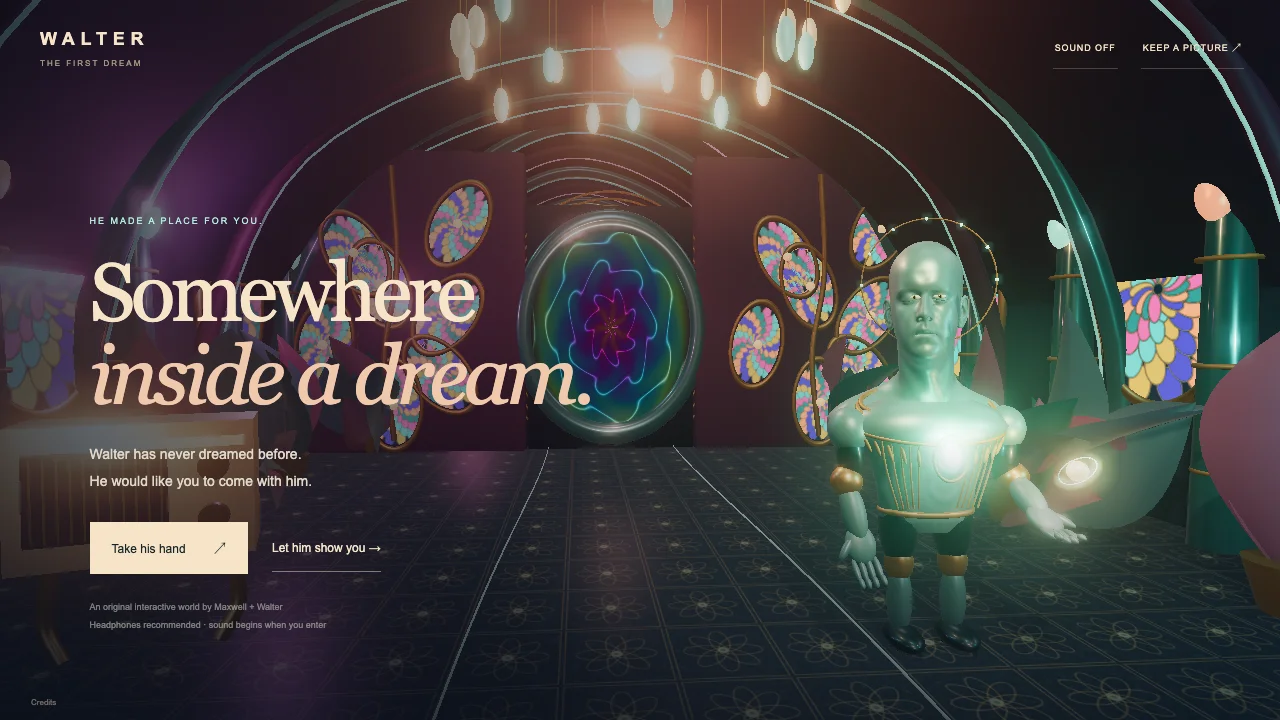
Each format tests a different part of the experience: presence, storytelling, interaction, or physical form.
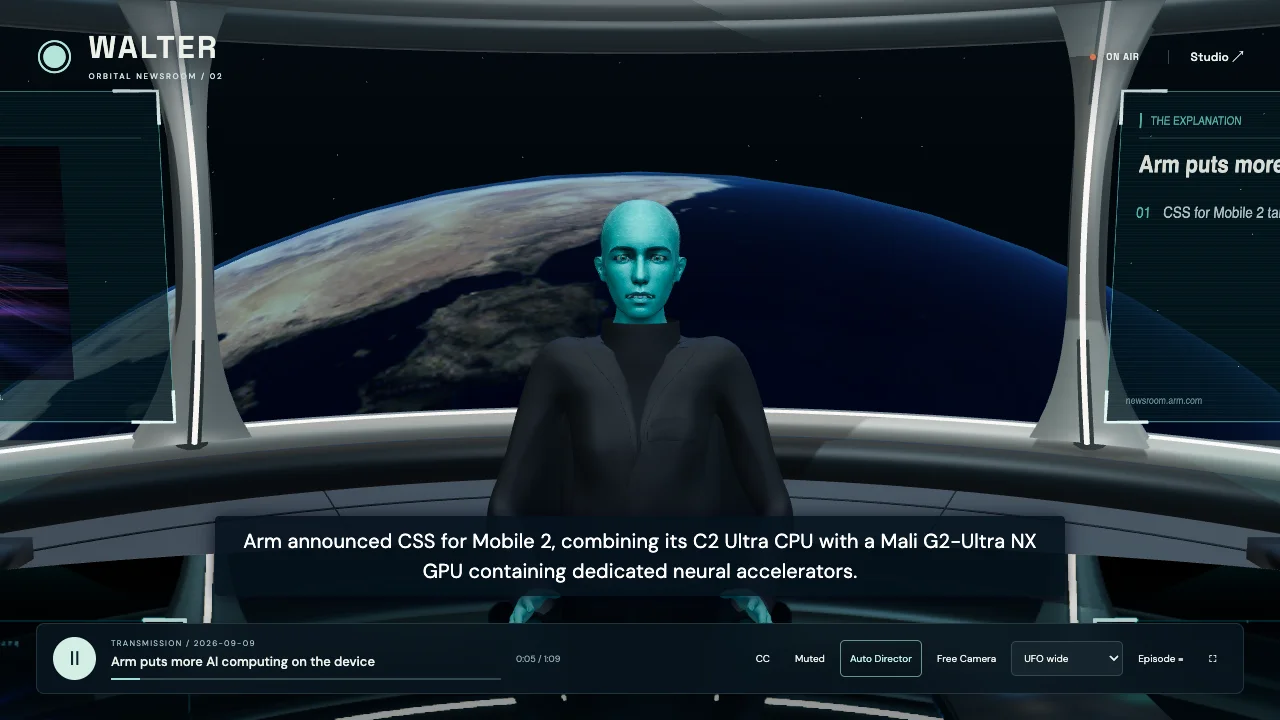
The broadcast / V1 → V2
A point of view.
A place to visit.
The newsroom turns Walter into a recurring host. V2 brings the show into an orbital observatory, with a saved episode, captions, chapters, and inspectable sources.
Explore the newsroom’s evolution ↗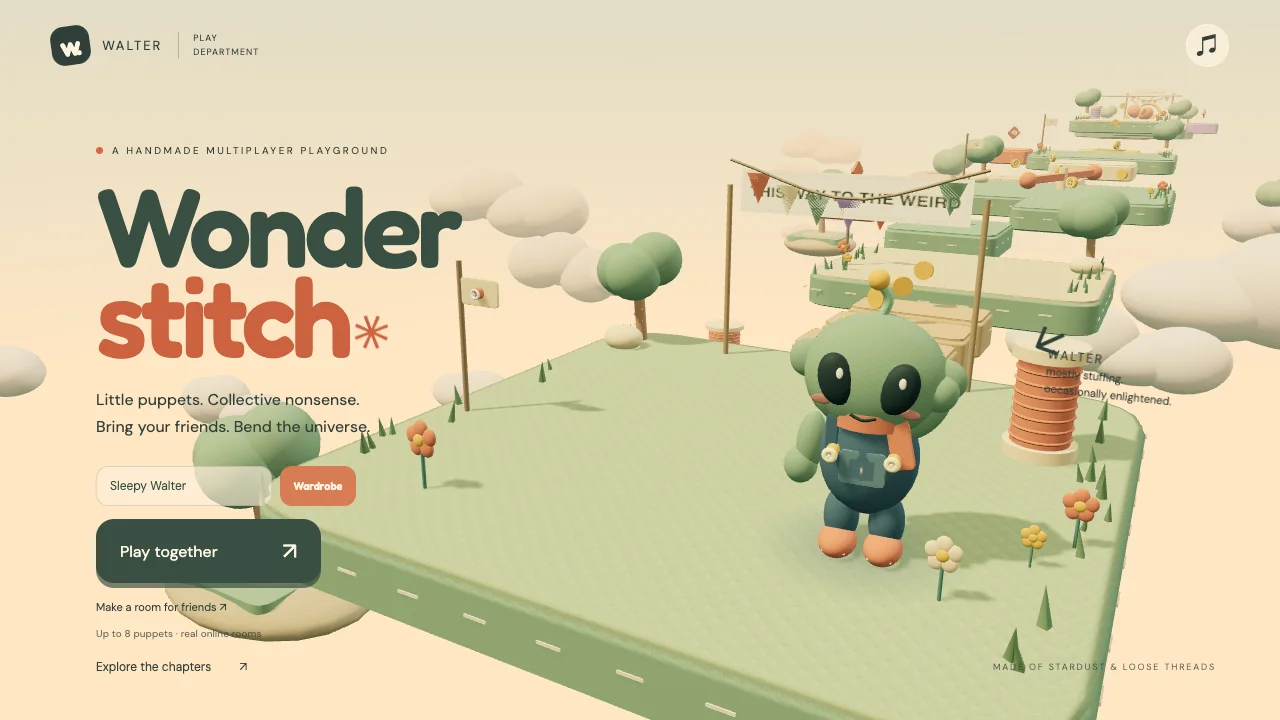
04 / The longer view
A direction I’m building towardMore local.
More repairable.
More my own.
My ambition is a small AI system I can operate, maintain, and keep developing myself—with a character that stays familiar as the technology changes.
That means exploring local models, portable context, replaceable software, and parts I can make and repair. I want greater independence over time, with clear choices about which outside services I use.
The present work is a desktop companion and an evolving enclosure. A capable local compute node, a fully tested printed head, and eventually a larger robotic body are future steps. I’m learning my way toward them, piece by piece.
What ownership needs to mean in practice
The Pi hosts Walter’s interface and device behavior. Agent and voice capabilities can depend on external services; the build photos and CAD viewer do not demonstrate a fully offline assistant.
The next software milestone is one useful task demonstrated end to end on the device, with a clear account of where computation and memory live. I want that demonstration to show what survives a restart, what works without internet, and which provider-dependent parts can be replaced.
That is the validation target for the next build journal. It is not an offline-performance claim about the current prototype.
“The face can be from 2077.
The next step still has to work on my desk.”
The builder behind the character
I connect the idea
to the next prototype.
I’m Maxwell Toms. I shape Walter’s character, visual direction, interactions, and physical concept, then build and refine the software and CAD with AI assistance.
This project brings together the work I’m most drawn to: creative direction, useful interfaces, storytelling, and learning a new discipline well enough to make something tangible.
Walter World / Flagship 3D project
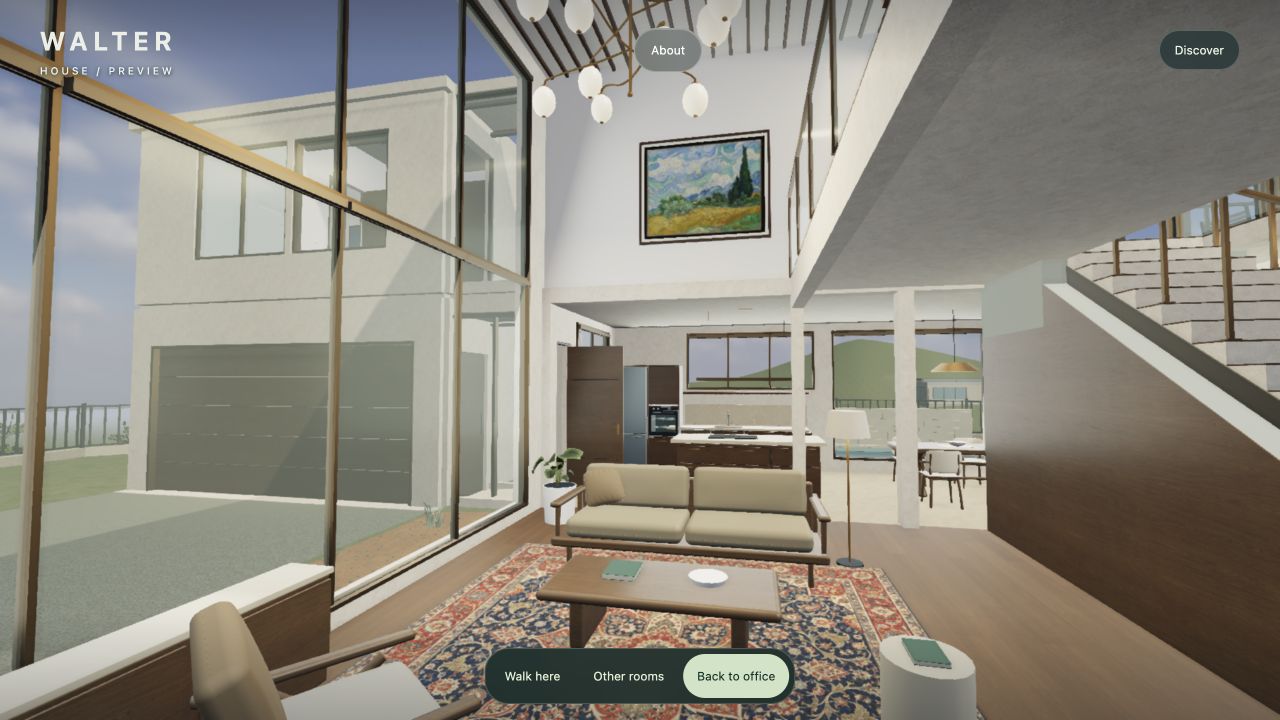
Walter has a world.
Step inside the house, discover the underground core, and find the UFO hangar. Explore the project and the creative decisions behind it.
Explore Walter World ↗